Local History & Culture
Explore the Stories That Shaped Southwest Virginia
For more than two centuries, Abingdon has served as a cultural, political, and economic center for Southwest Virginia. The Virginia Highlands Festival's Local History program celebrates the people, places, and events that helped shape the region while connecting visitors to the stories that continue to define Appalachian life today.
From Revolutionary-era history and historic preservation to quilts, architecture, and living history experiences, these programs offer a deeper understanding of the community's remarkable past.
Event Overview
Discover the People, Places & Stories of Appalachia
The Local History program invites visitors to explore the rich heritage of Abingdon and Washington County through exhibits, presentations, tours, workshops, and special events.
As the nation approaches America's 250th anniversary, many of this year's programs focus on the people and events that helped build the region and the country itself.
Revolutionary War & early American history
Historic preservation & architecture
Living history experiences
Local heritage exhibits
Historic homes & building tours
Community storytelling & education
Featured History Events
A Conversation with Thomas Jefferson & George Washington
Sunday, July 26 & Monday, July 27
6:30pm-7:30pm with a cash bar opening at 5:30pm
Many visitors don't realize that Abingdon's roots predate the Declaration of Independence so they may be surprised to find Thomas Jefferson and Georgia Washington greeting people at this year's Festival.
For the past six years the Historical Society of Washington County has brought Bill Barker and Kurt Smith, internationally recognized historical interpreters of Thomas Jefferson, to Abingdon. This year we're honored to have Kurt and Ron Carnegie, who interprets George Washington at Colonial Williamsburg with Kurt, as our guests.
Our area's connections with Jefferson and Washington are numerous. Jefferson, of course, served as Secretary of State in Washington's administration and helped forge the structure of our nation's government and economy. Thomas Jefferson's father Peter played a pivotal role in surveying the western lands where we now live and piqued his son's lifelong interest in the western frontier. Washington County was created in 1776 - one of the first counties created by the newly independent Commonwealth of Virginia - and named in honor of General Washington.
We are honored to have these two Nation Builders in Abingdon as we celebrate the 250th birthday of both the United States and Washington County. It's a rare opportunity you and your family won't want to miss.
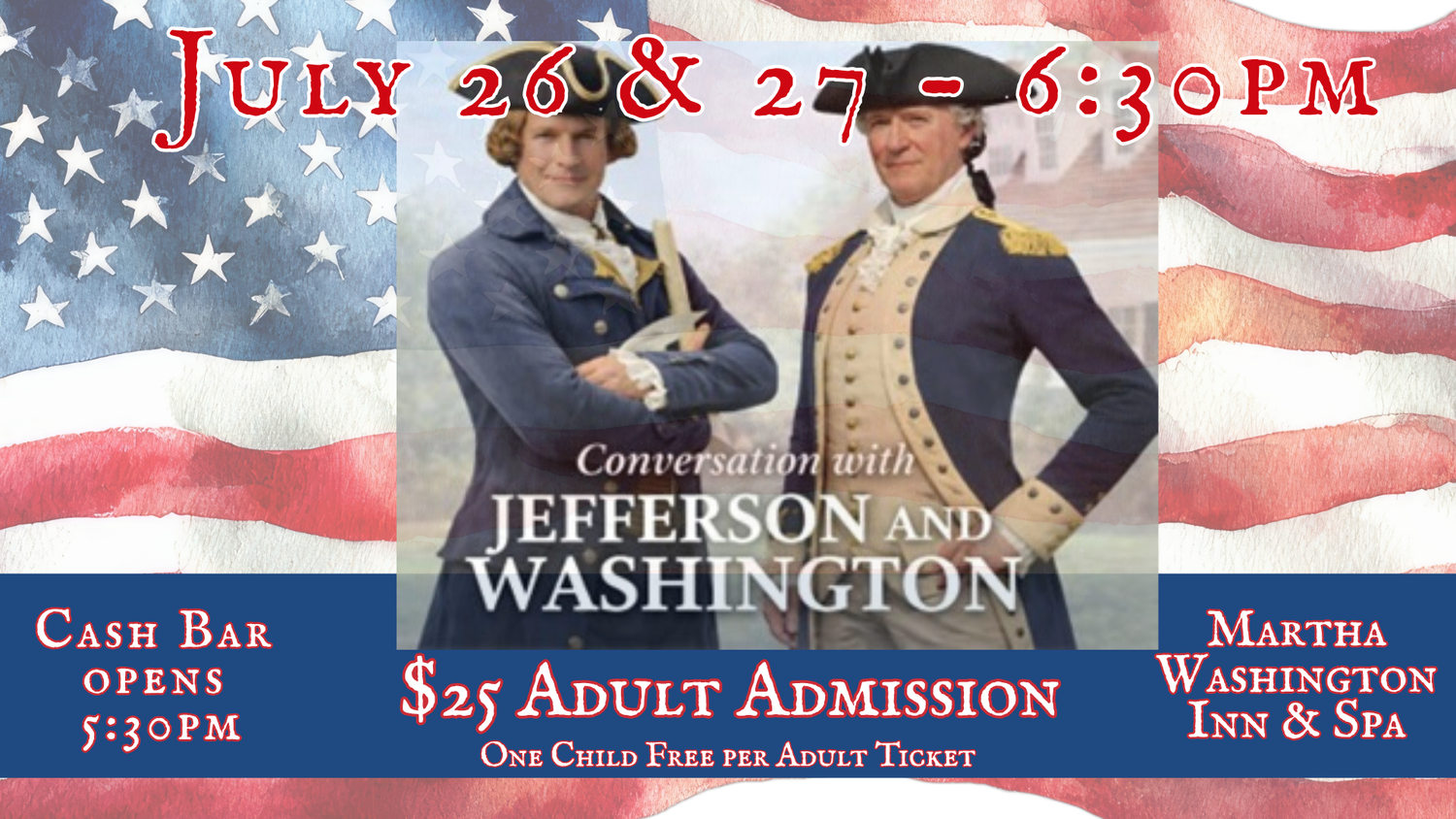
Date(s): Jul 26 & Jul 27
Time: 6:30 PM – 7:30 PM
Location: Martha Washington Inn & Spa Ballroom
Cost: $25 • Children 12 & Under Free with Ticketed Adult
Note: Cash Bar Opens at 5:30 PM
Registration: Required
THANK YOU to the generous sponsors for this fantastic event!
- Ben & Merry Jennings
- Carl & Mary Coalson
- Brett & Jessica Compton
- Walter & Rose Ann Jenny
- Creeper's End Lodging
- First Bank & Trust
- Appalachian Memory Keepers
- New Peoples Bank
- Abingdon Olive Oil Company
- Eye Physicians of Southwest Virginia, PC
Historical Interpretation Workshop
Monday, July 27: 1:30pm-3:00pm
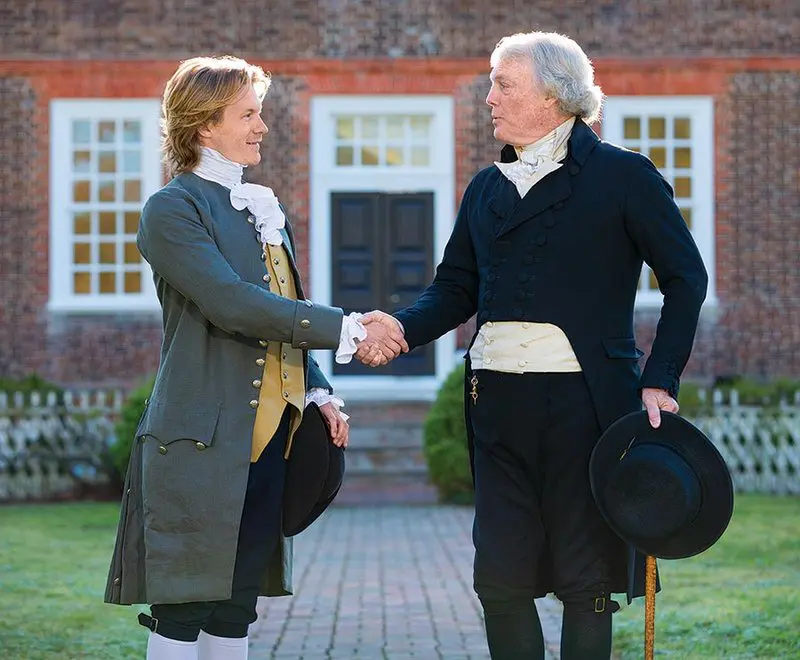
Ever wondered what it's like to portray a historical figure?
Join renowned interpreters Kurt Smith and Ron Carnegie from Colonial Williamsburg as they share their experiences bringing historical figures to life through historical interpretation.
Date(s): Jul 27
Time: 1:30 PM – 3:00 PM
Location: SWVA Higher Education Center
Cost: Free
Presented By: Kurt Smith & Ron Carnegie
Registration: Not Required
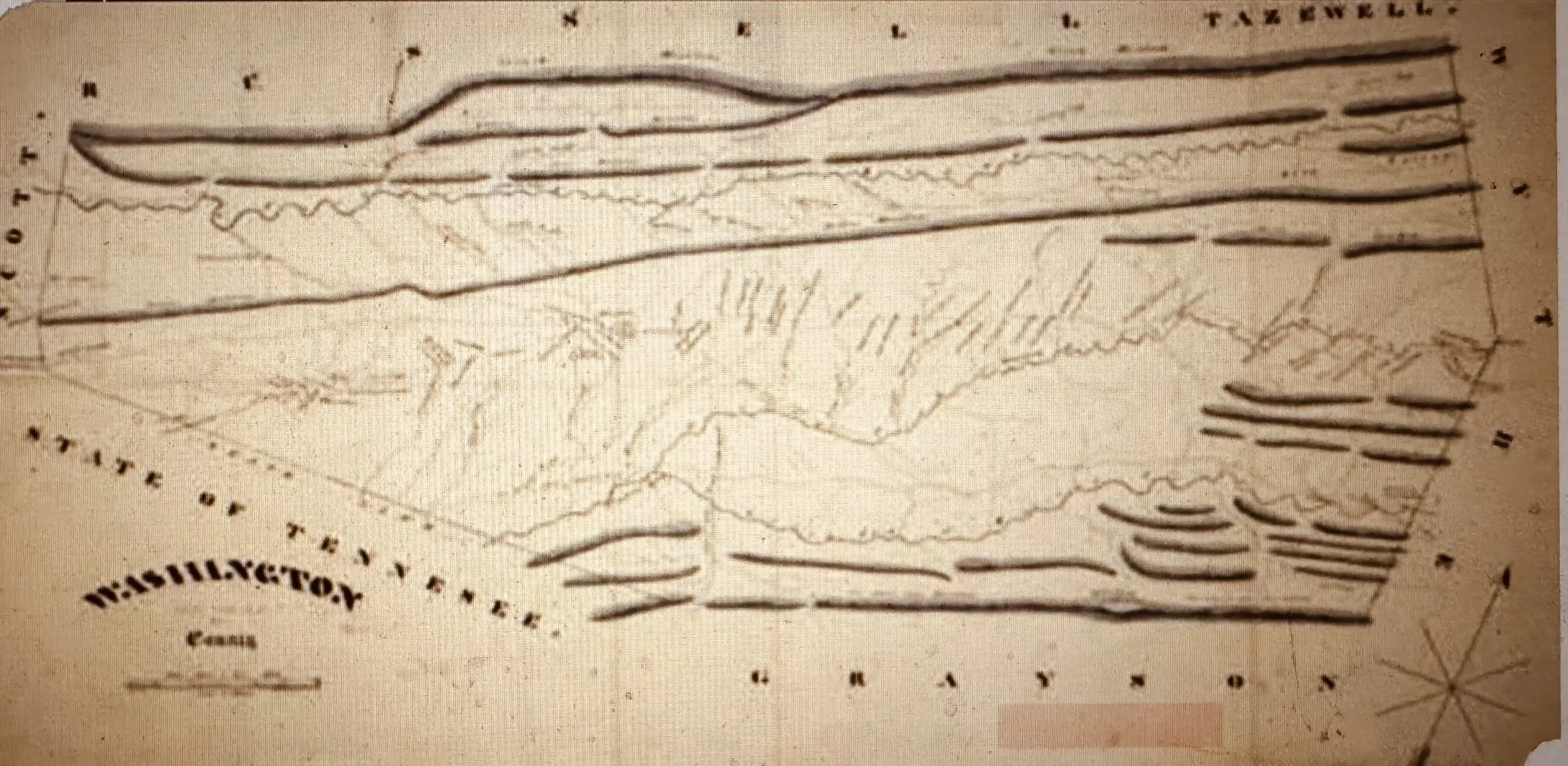
The Birth of Washington County, VA
Tuesday, July 28: 7:30pm-8:30pm
As the new nation was focused on military preparations to defend our new independence from England, how and why did Virginia lawmakers take the time to focus on Southwest Virginia?
Date(s): Jul 28
Time: 7:30 PM – 8:30 PM
Location: SWVA Higher Education Center – Executive Auditorium
Cost: Free
Presented By: Eric Johnson
Registration: Not Required

About Eric Johnson
Eric Johnson is the coordinator of the VA250-funded Ideas in Action project at the Library of
Virginia, focused on bringing Revolutionary-era documents and the stories they tell back to the
communities from which they came. Prior to joining the Library of Virginia, Eric served for
twelve years as head of the multimedia center and makerspace at Virginia Commonwealth
University Libraries. Trained in public history and the digital humanities, he has also worked at
the Scholars’ Lab at the University of Virginia Library, Monticello, the University of Richmond,
and the Smithsonian. Eric holds master’s degrees in American history from George Mason
University, library and information studies from Florida State University, and cartography from
the University of Wisconsin-Madison.
“By Nature Equally Free”: Life of the Free Black Populations of Washington County, Virginia, 1776–1865
Wednesday, July 29: 7:30pm-8:30pm
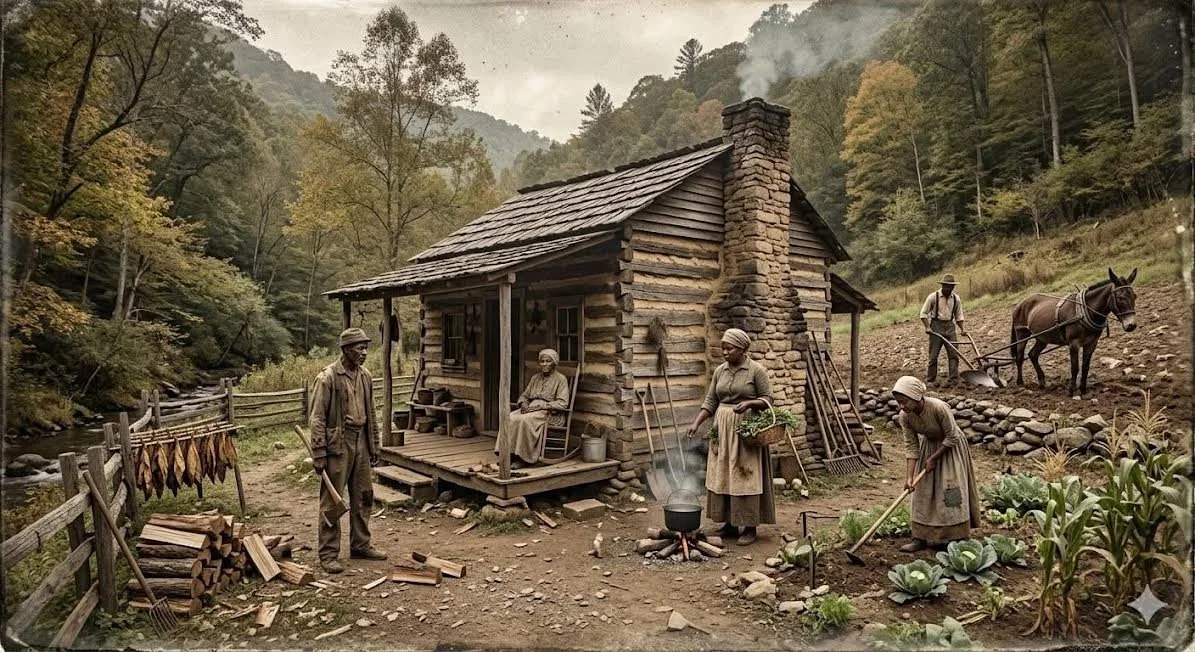
Between the founding of Washington County in 1776 and the end of the Civil War in 1865, there was a small but active population of Free Black residents in the county. Although these persons seldom appear in history books, they included recognizable individuals who were part of the fabric of the community. Without minimizing the challenges and realities that they faced, it is important to recognize the roles that they played. This presentation will explore the various experiences of this population through the actions and words of the people themselves.
The lecturer is Dr. Michael Puglisi, recently retired as a vice-president and professor of history at Emory and Henry University, and formerly president at Virginia Intermont College. He earned a Ph.D. in history from the College of William and Mary.
Date(s): Jul 29
Time: 7:30 PM – 8:30 PM
Location: SWVA Higher Education Center – Executive Auditorium
Cost: Free
Presented By: Dr. Michael Puglisi
Registration: Not Required
Abingdon Historic Homes & Buildings Tour
Saturday, August 1: 10am-4pm
Abingdon prides itself on its well-preserved downtown historic district and its commitment to historic preservation. Tour the interiors of a variety of the best-preserved Federal, Victorian, and early 20th-century houses and buildings in Virginia, all within walking distance downtown except for “Retirement” at the Abingdon Muster Grounds. Guided tours of the Martha Washington Inn and Spa will be every half hour.
Date(s): Aug 1
Time: 10:00 AM – 4:00 PM
Location: Downtown Abingdon
Cost: $25
Includes: Guided Martha Washington Inn Tours
Registration: Required
Ticket Purchasing Options: $25 each. Purchase tickets online at the link below, or during the month of July at Shady Business (180 East Main St.). On the day of the tour, tickets will be for sale on the porch of the Martha Washington Inn & Spa or at Shady Business.
** Even if you have purchased a ticket online, you must pick up the printed house guide and map to the houses at Shady Business or the Martha Washington Inn & Spa on the day of the tour.
702 Colonial Rd.
Learn More
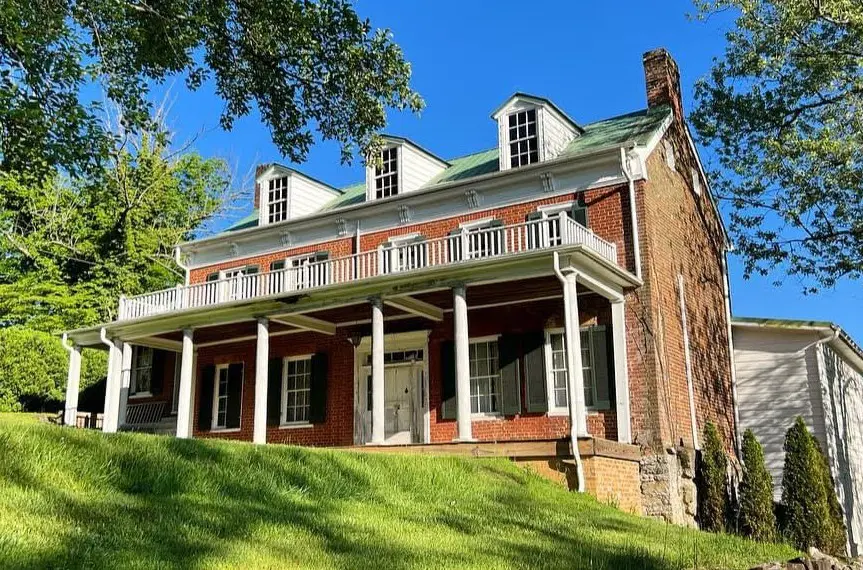
“Retirement” was constructed by Capt. Robert Craig around 1808 near the Muster Grounds where the Virginians mustered to march to the Battle of Kings Mountain in 1780. Originally the structure was built around a hall-and-parlor layout; then in 1857 Col. Samuel Vance Fulkerson purchased the property and added the two-story addition and gave it a more Federal-style appearance. It passed to the Hurt family who added the Classical Revival front porch. Paul and Rose Dunn lived in the house from 1955 to 2007. The town of Abingdon purchased the property to preserve the site as a fundamental piece of Abingdon’s and Virginia’s history.
208 West Main St.
Learn More
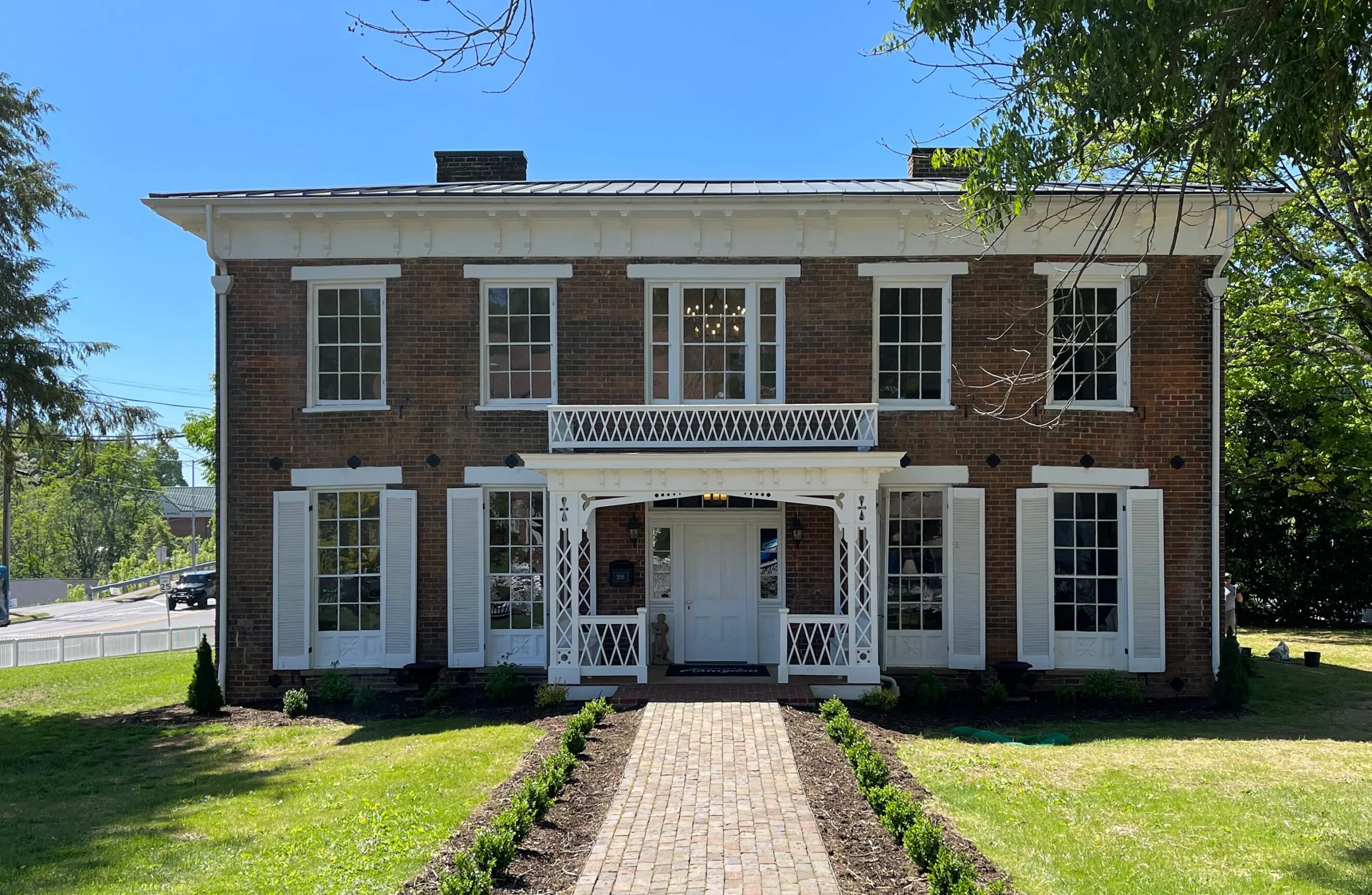
James Fields, a building contractor who also operated a brick kiln and factory, built the house in 1858. The house has an attractive blend of Greek revival details, such as the horizontal lintels above the windows and the side-and-transom light doorway, and Italianate features, such as the shallow-hipped roof and the deeply bracketed cornice. A second owner was George E. Penn, who came to Abingdon from Danville as a tobacco merchant but later became a lawyer. The Town of Abingdon has done extensive renovations and opened the house as the town’s Visitor Center.
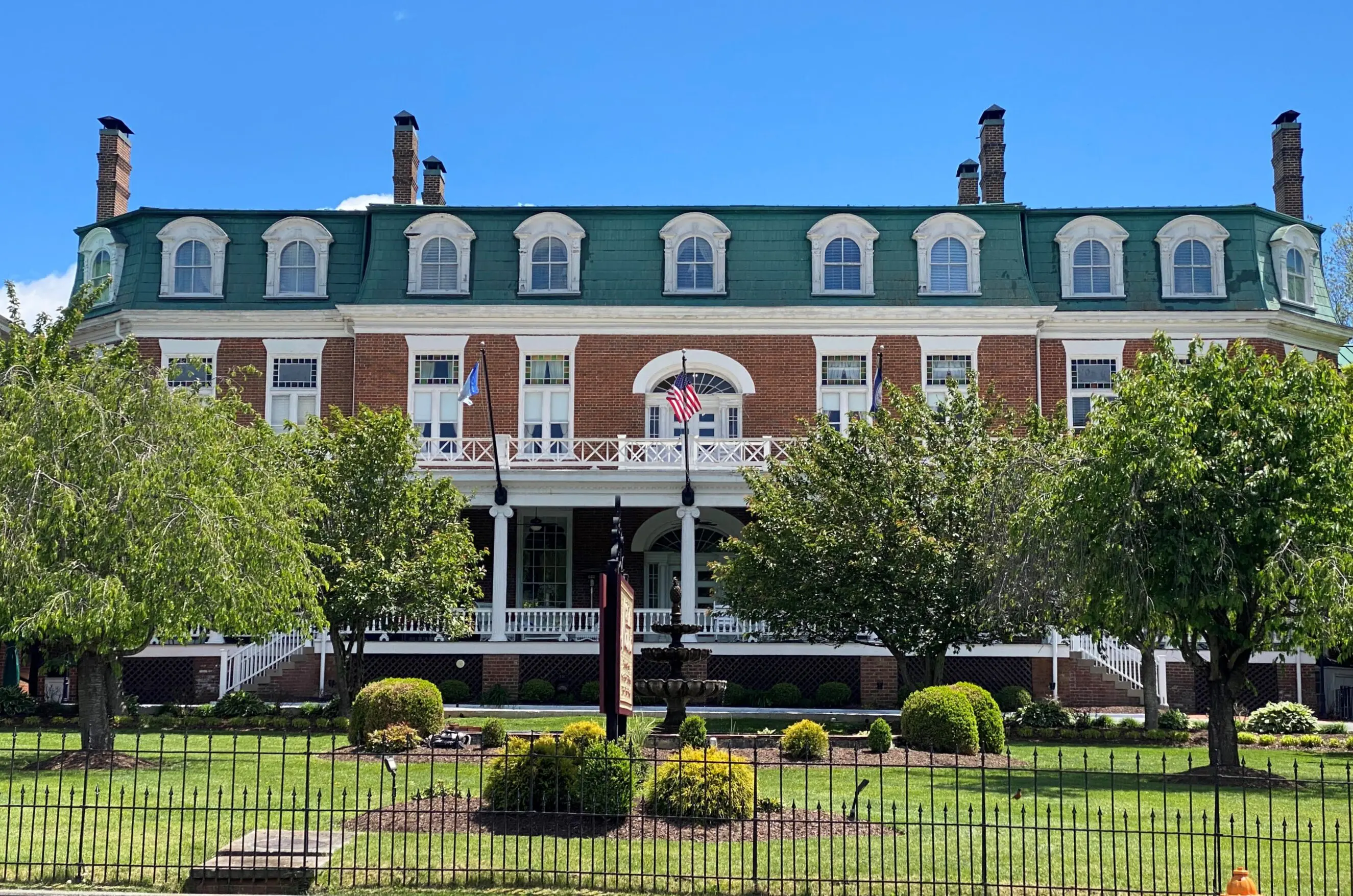
150 West Main St.
Learn More
The Martha Washington Inn & Spa has an illustrious history. Preston Hall was originally built in 1832 by General Francis Preston. The original home consisted of two stories over an English basement and was the grandest house in western Virginia when it was built. From the 1850s to 1932 it was an upscale girls’ school, Martha Washington College, affiliated with the Methodist Church. Falling into neglect and disrepair, it became a hotel and has gone through extensive renovations over the years. Guided tours of many lavishly furnished public and private rooms and exterior features of the Inn will be every 30 minutes, beginning at 10:30 am.
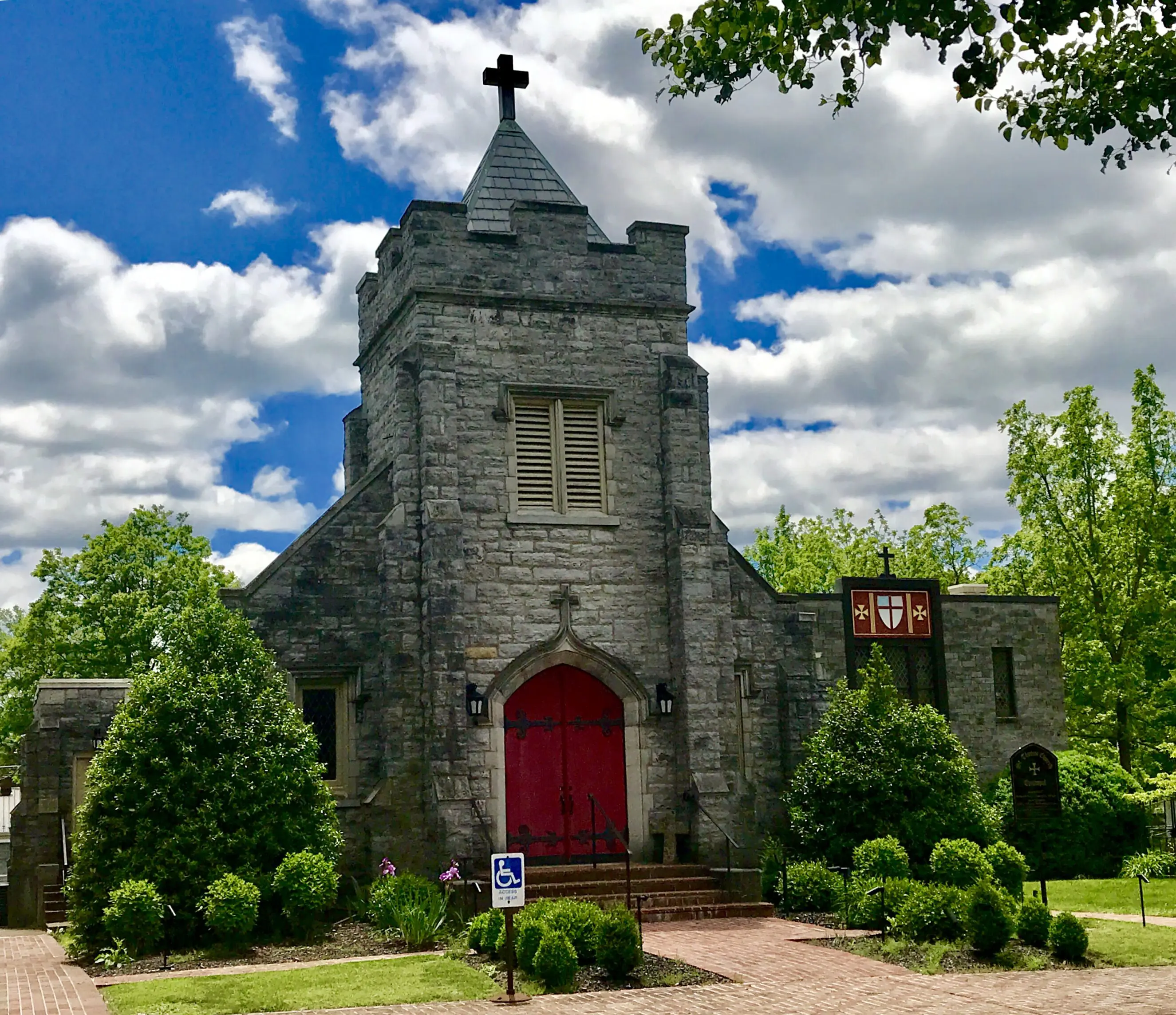
124 East Main St.
Learn More
This gray stone church, St. Thomas Episcopal church, was built in 1925 following a devastating fire the previous year that destroyed the earlier church. The original frame church was built in 1846 as part of the Episcopal Diocese of Southwestern Virginia. Of particular interest are the altar, organ, and artwork throughout the sanctuary, including the painting of Christ over the altar. The twenty-two “Life of Christ” icons throughout the sanctuary were painted (or written) by Mary Jane Miller, an Abingdon artist, now living in San Miguel de Allende, Mexico.
142 East Main St.
Learn More
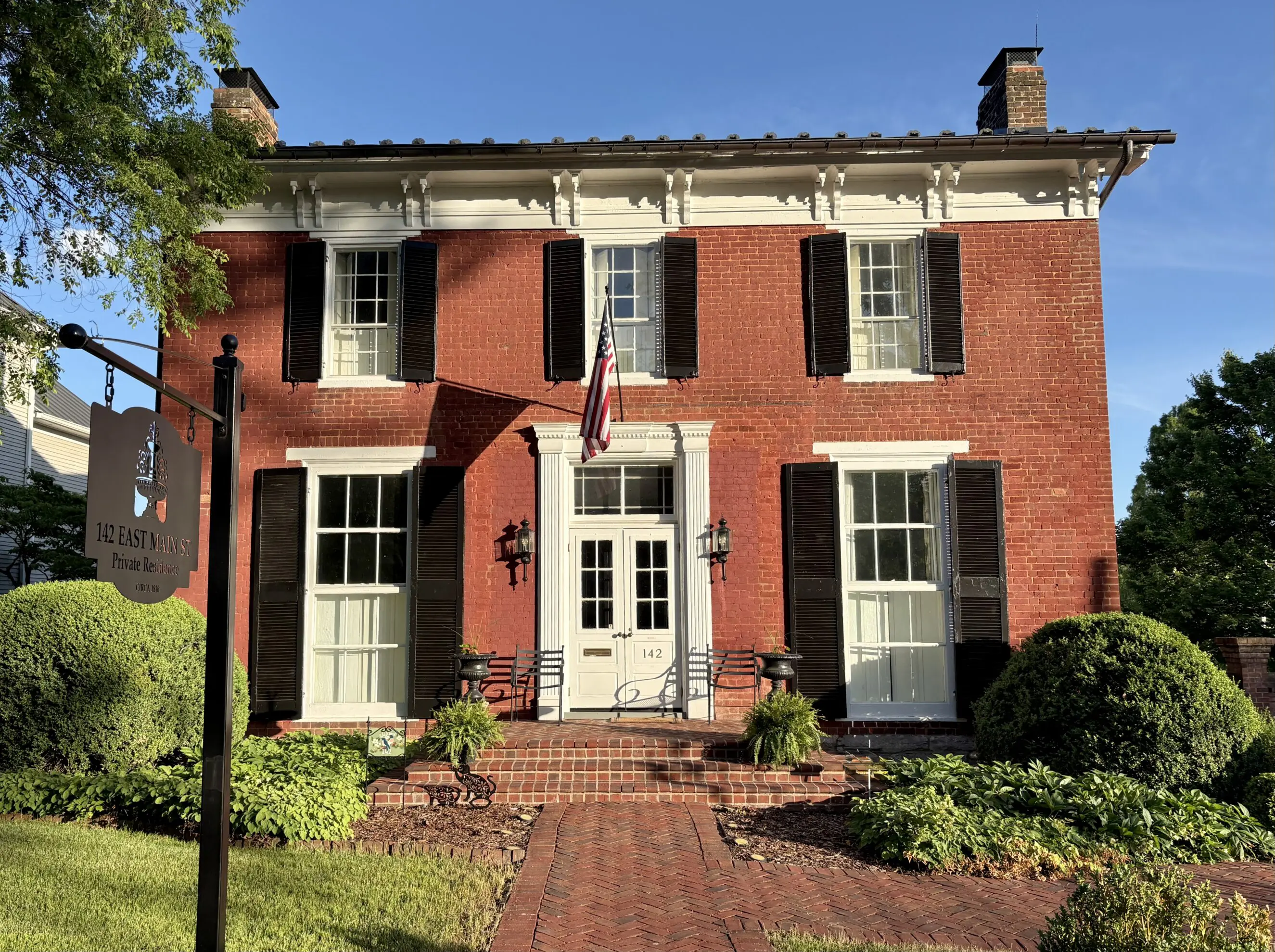
The Andrew Gibson House, built in 1836, consisted of two rooms on each floor, a central hall with staircase, and a basement. After Gibson ‘s death in 1863, it was sold to John Kreger who added the additions to the rear in 1875. Kreger was the clerk of the court during the Civil War and is credited with having had the foresight to take the court records to a safe hiding place. In recent years the house has been an antiques shop, a realty company, and an Airbnb. The carriage house was renovated in the 2020s by Lori and Tony Breland. It is now presently owned by Shaun and Lindsay Lundy.
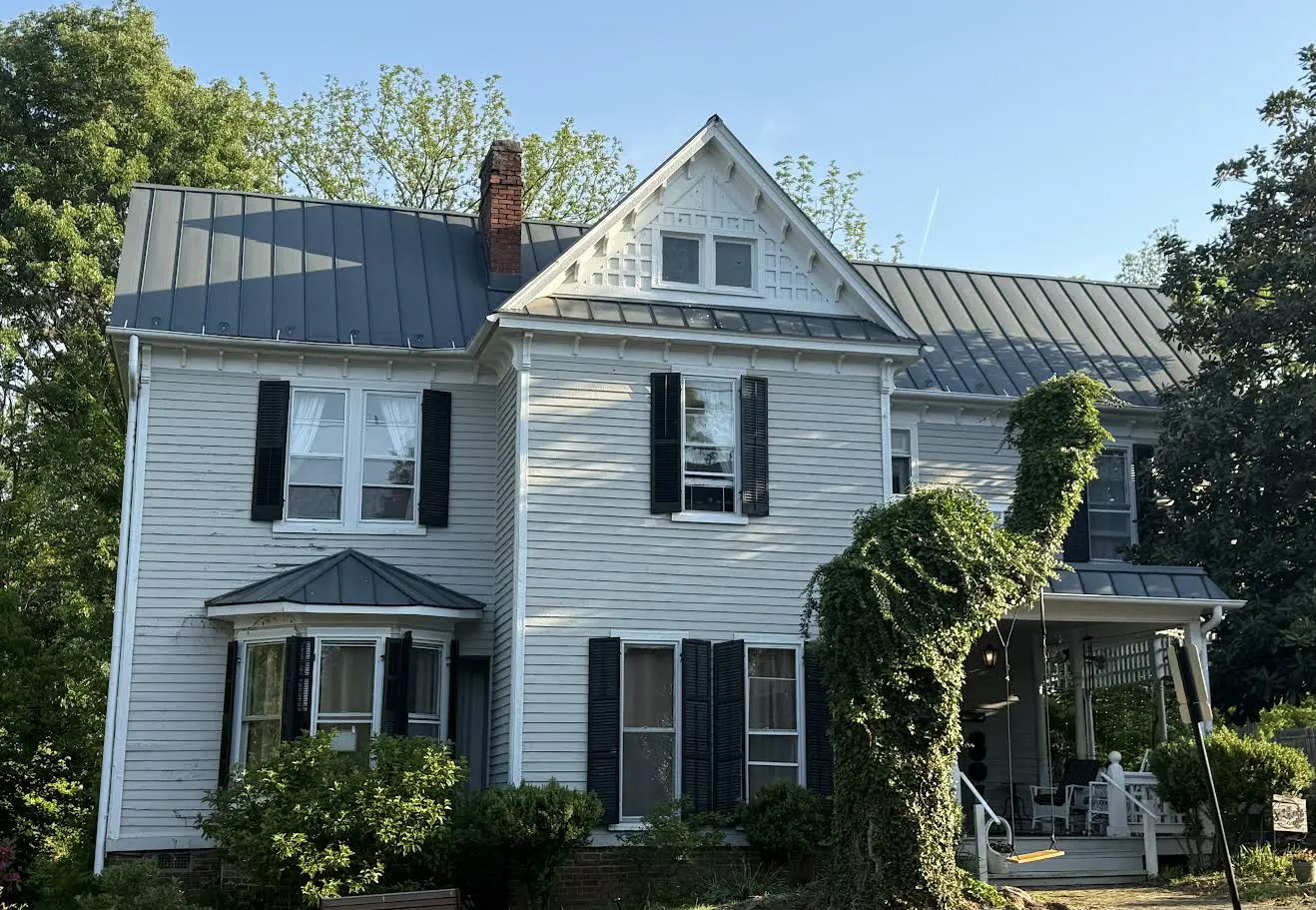
155 East Main St.
Learn More
A house was built on this lot in the early 1800s, and Gen. Francis Preston and family lived there, beginning in 1815 while their brick home (now the Martha Washington Inn & Spa) was being completed. His law office was next door. Preston descendants lived in the house until 1892 when Cyrene Boice, a merchant and lumber dealer, bought the property and completed the current frame home. Dr. John Barrow bought the house in the early 20th century and used the house next door as his medical office. Tedd and Phoebe Blevins as well as Klell and Helen Napps lived in the house until Donna Corneal purchased it for “The Gathering Inn.”
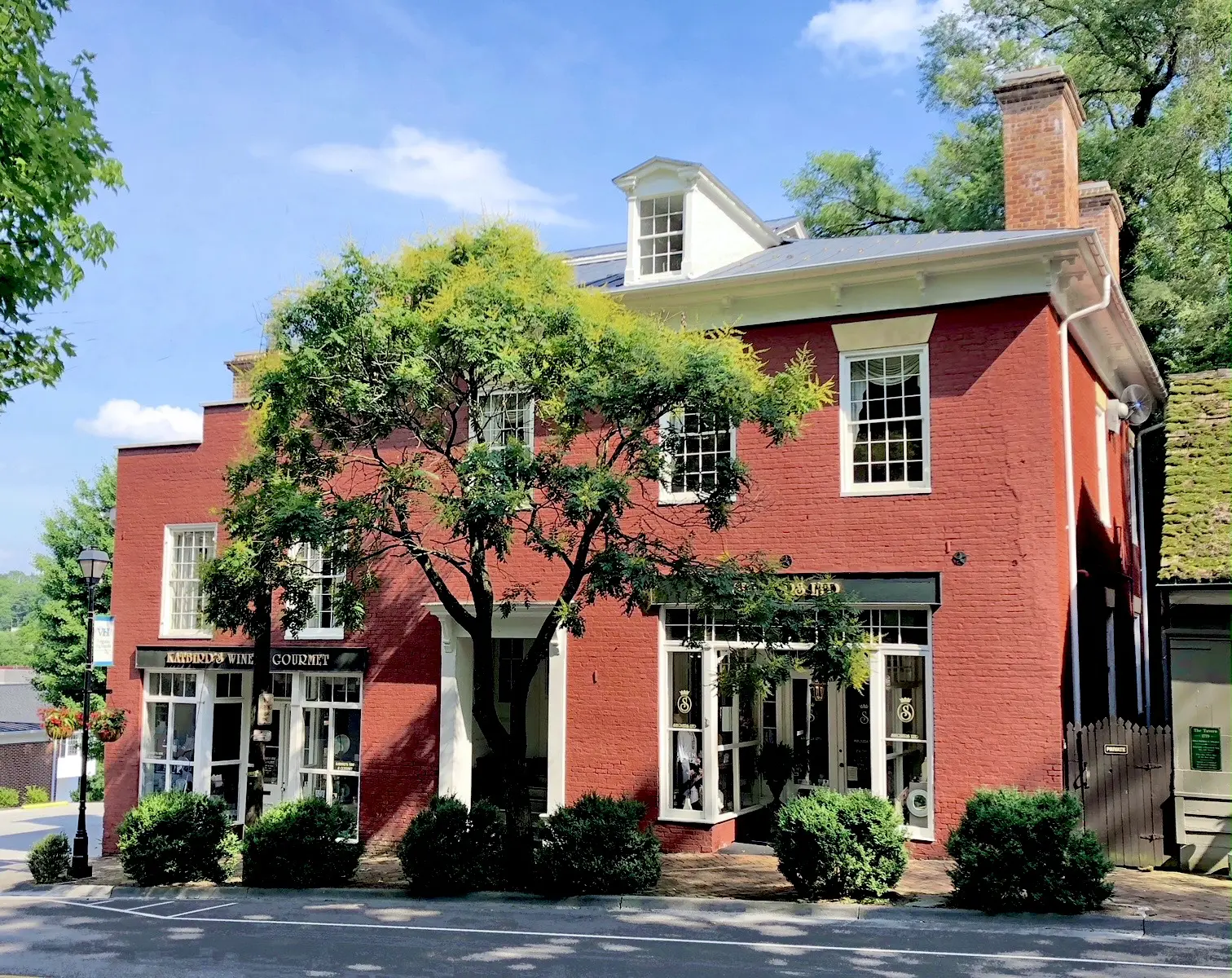
228 East Main St.
Learn More
During the 1780s, this lot housed a dwelling, a log tavern, and then an ordinary, run by Fincastle Sterrett, an emancipated slave once owned by William King. The Washington House, Abingdon’s first hotel, was built in 1835 by Thomas Findlay, serving stagecoach and other business travelers, as well as housing professional offices. During the early 20th century, a meat market and a hat shop were located on the first level. It is currently owned by Byrum Geisler, who fully restored and renovated it to include his residence on the upper floors and two businesses on the ground level.
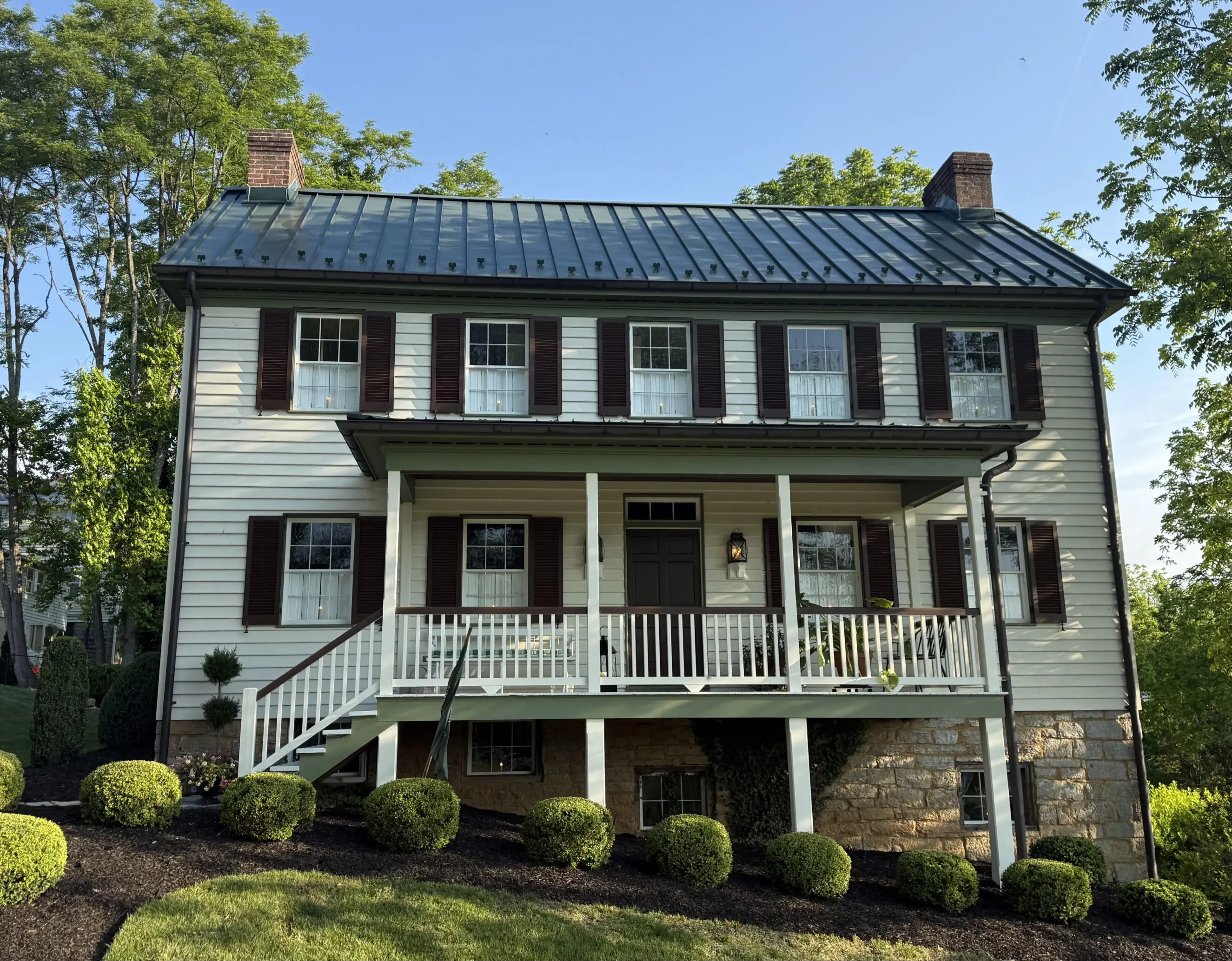
107 Park St.
Learn More
Susan and Rick Humphreys have restored this 1834 structure, which was owned by several people in the 19th century, most prominently by Thomas Johnston, a well-known portrait painter. An empty, abandoned, and derelict property before the restoration, many of its architectural features were found and carefully brought back to life. Interesting aspects are its restored front porch, original basement kitchen, stone foundation, and clapboard siding. The Humphreys added an ell to the rear. For a while they operated it as a B&B, the Black Dog Inn.
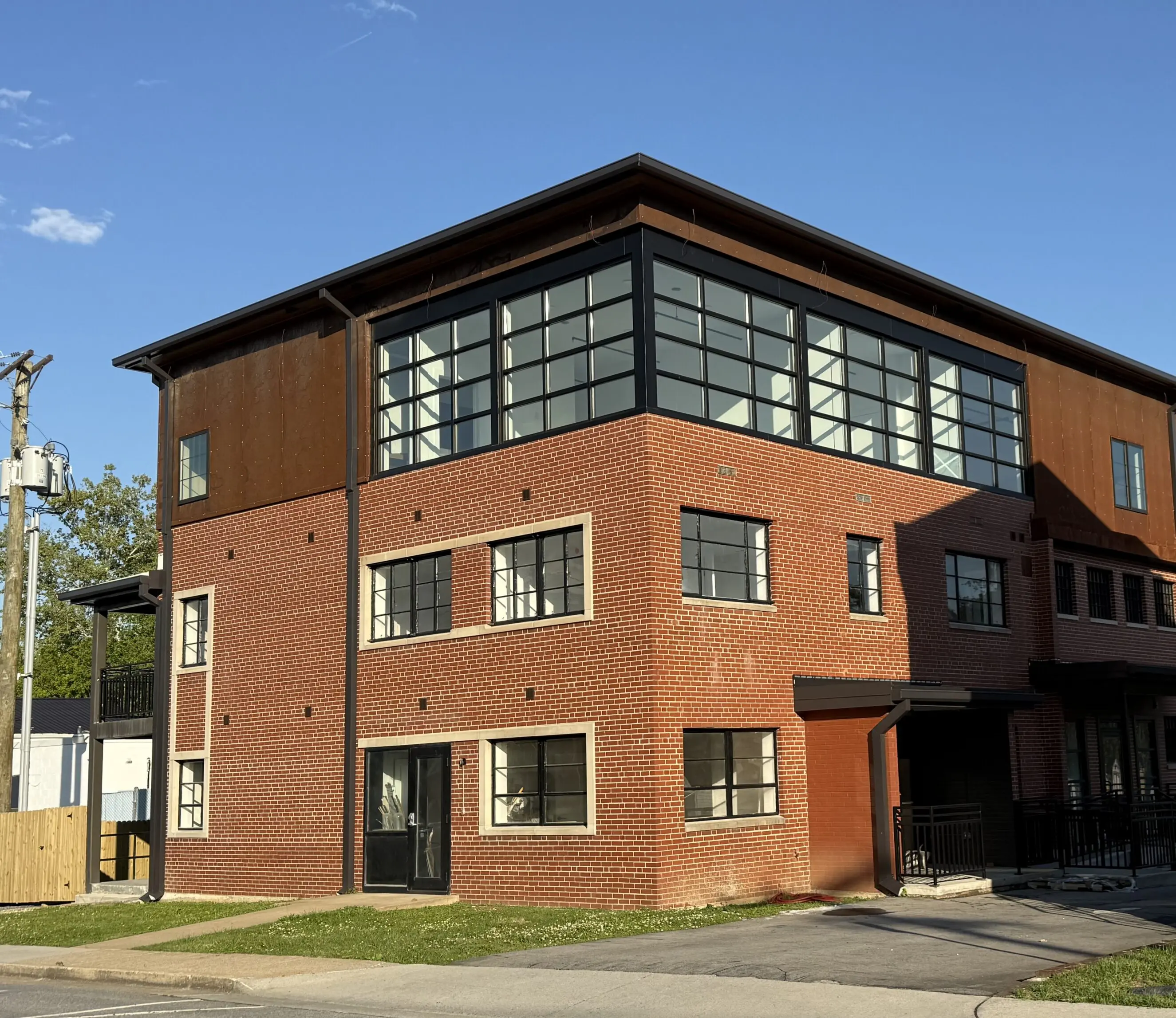
216 Park St.
Learn More
Have you ever fantasized about--or feared--having to spend time in a jail cell? Wallberg Construction has just completed restoration of the old Washington County Jail into modern short and long-term rentals, appropriately called The Klink. The first two floors, where the actual jail cells were, have eight units of one-bedroom plus bunk space. Where the administrative offices of the sheriff’s department were, and a newly constructed third floor, have 10 units which are one and two- bedroom rentals.
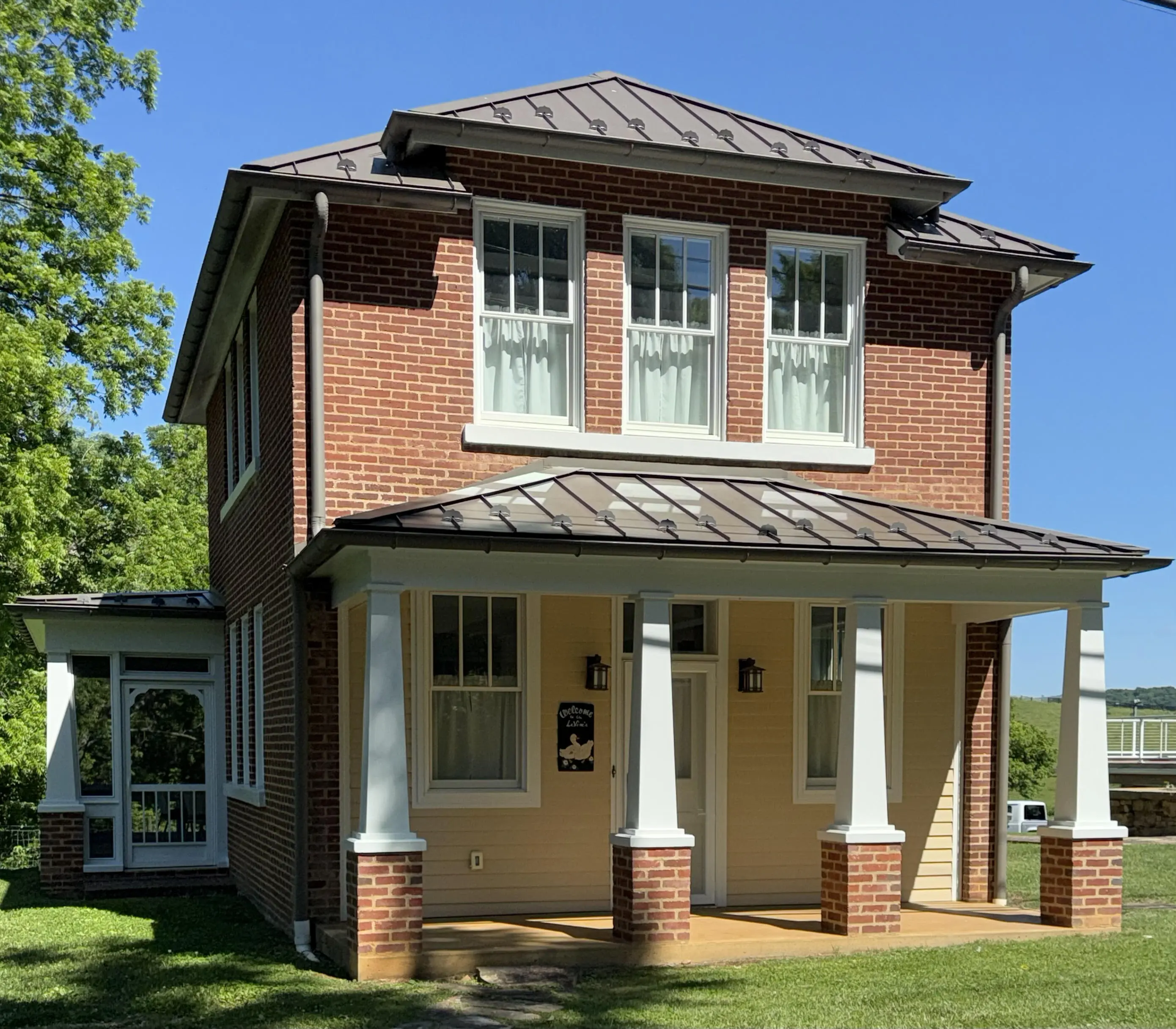
340 Green Spring Rd.
Learn More
This brick house adjacent to the entrance to the Virginia Creeper Trail, was built around 1900, at the time when the Virginia Creeper Railroad was at the height of its economic importance. It was probably a store where riders on the railroad could purchase supplies. In the next decades it was possibly a gas station. In the 1930s it was bought by the DeBusk family. Recently it was purchased and renovated by Donna and Joe LeVine for use as their guest house.
Our Leading Sponsors
We’re grateful for the partners who help make the festival possible.





Additional Sponsors & Community Partners











This project was supported [in part] by the Virginia Commission for the Arts, which receives support from the Virginia General Assembly and the National Endowment for the Arts, a federal agency.
Get Involved
Help Preserve Local History
Interested in supporting historical preservation, volunteering at events, sponsoring local history programming, or helping share the stories of Southwest Virginia with future generations?
We’d love to hear from you.